
OUR SERVICES
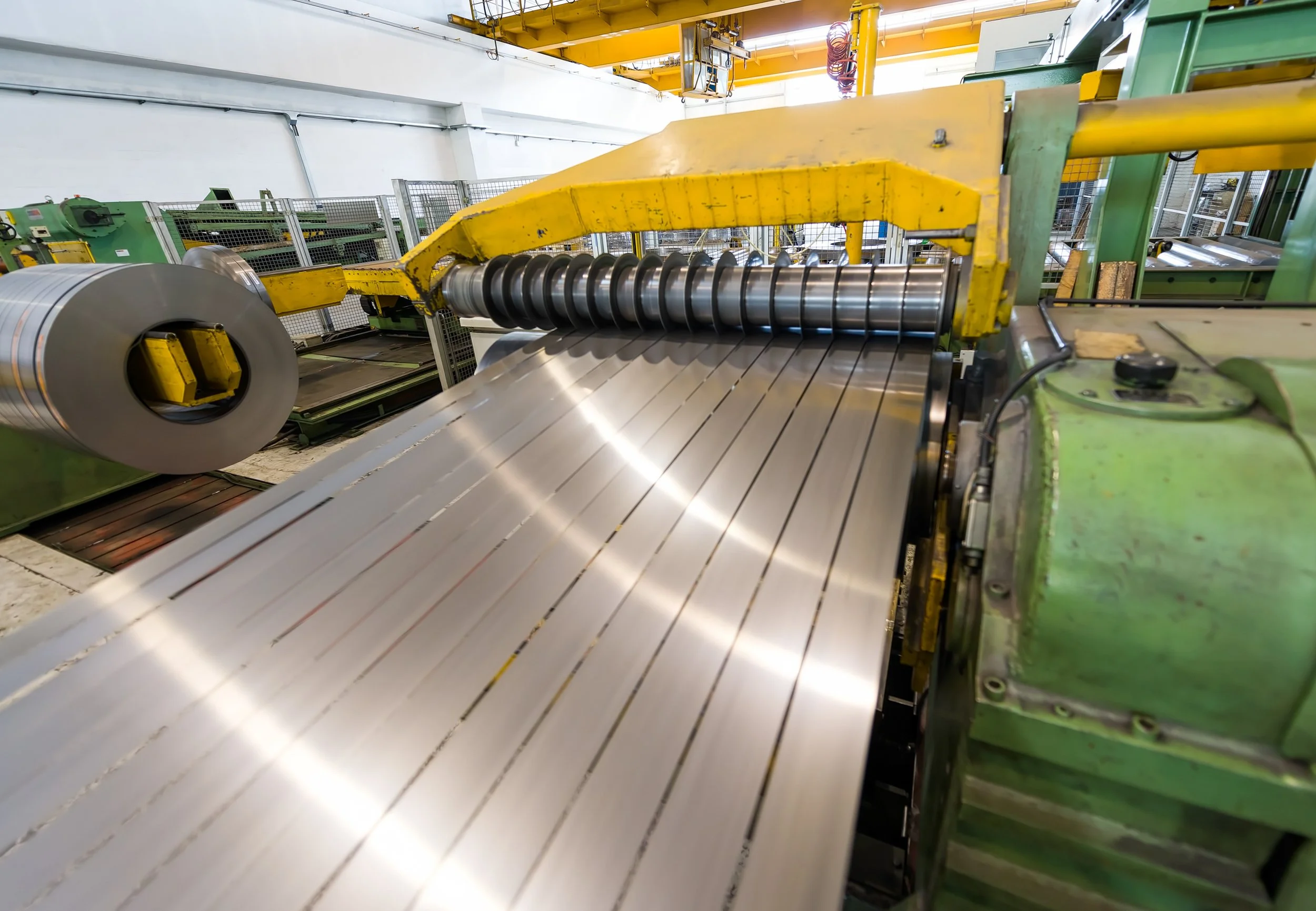
Duluth Steel Trading provides expert steel processing services — including cut-to-length, slitting, and pickling & oiling — to meet your production needs.
CUT-TO-LENGTH
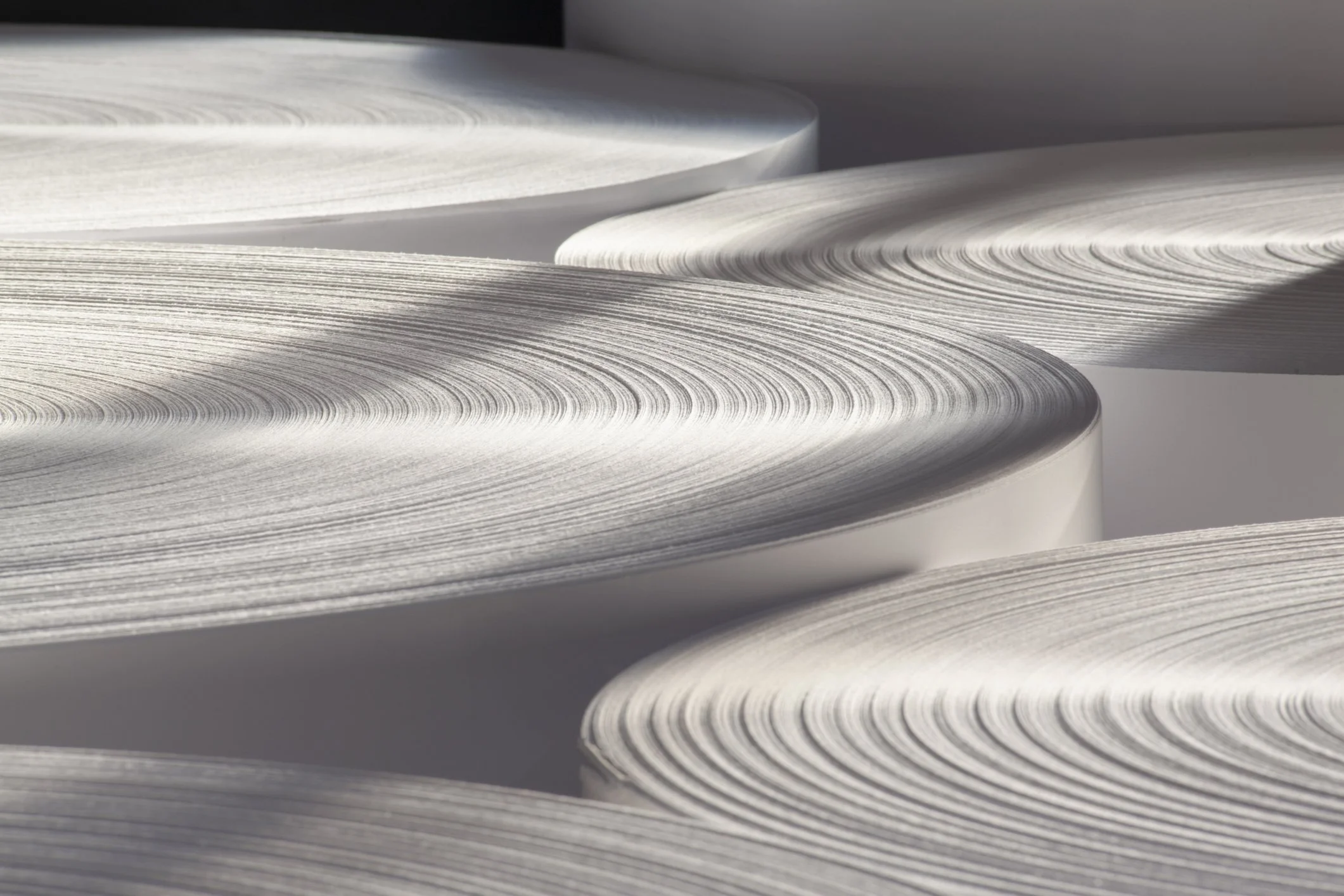
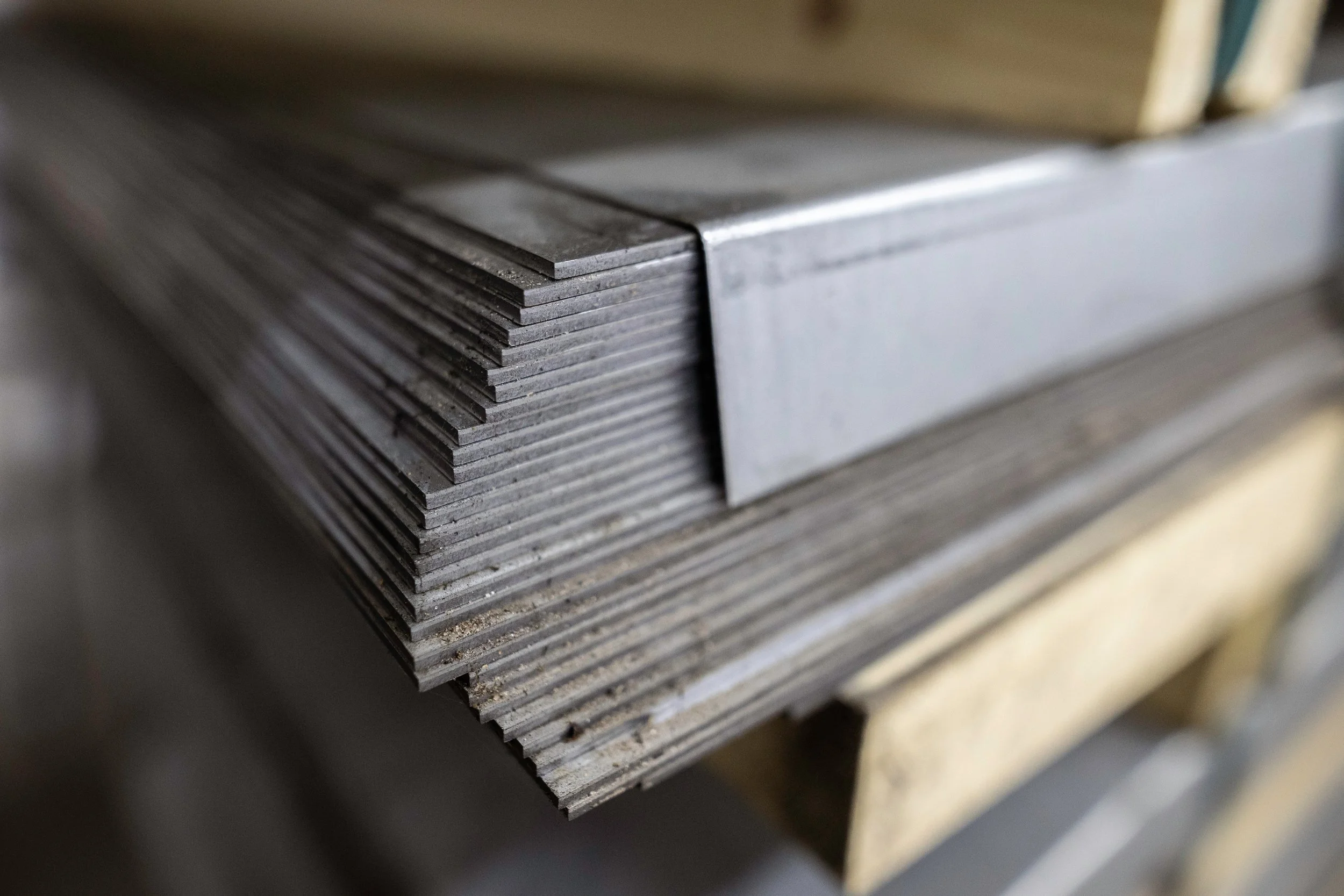
The cut-to-length process for steel coils involves several precise steps to ensure the material meets specific length requirements for various applications. Initially, steel coils are unwound and fed into a cutting line where they are straightened and leveled. Once the steel reaches the designated length, it is cut using automated shears or saws to achieve clean, accurate cuts. The individual lengths are then collected and prepared for transportation or further processing. This method is efficient and minimizes waste, making it an essential practice in the steel industry for producing tailored products that meet customer specifications.
Temper Pass
Stretcher Level
SLITTING
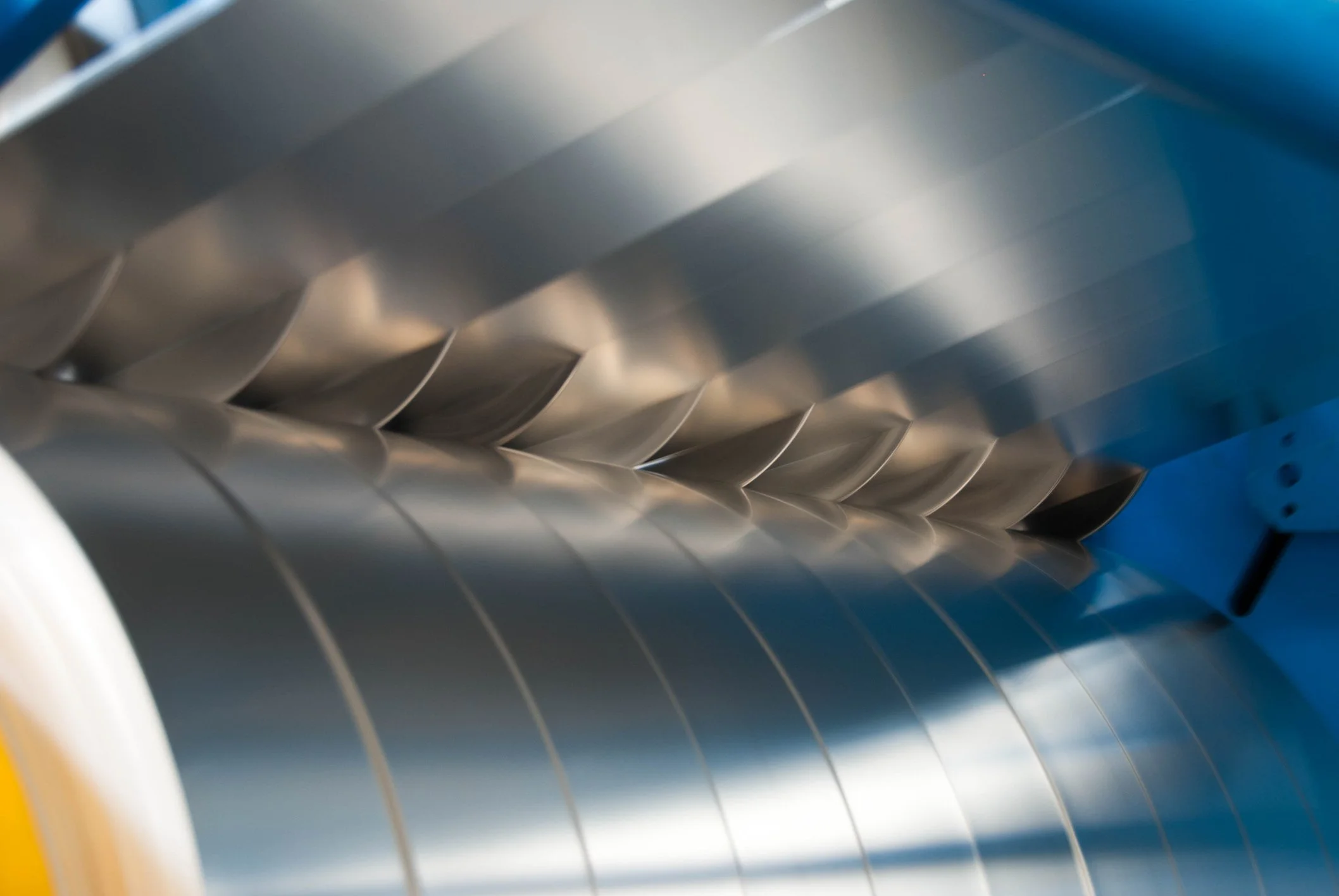
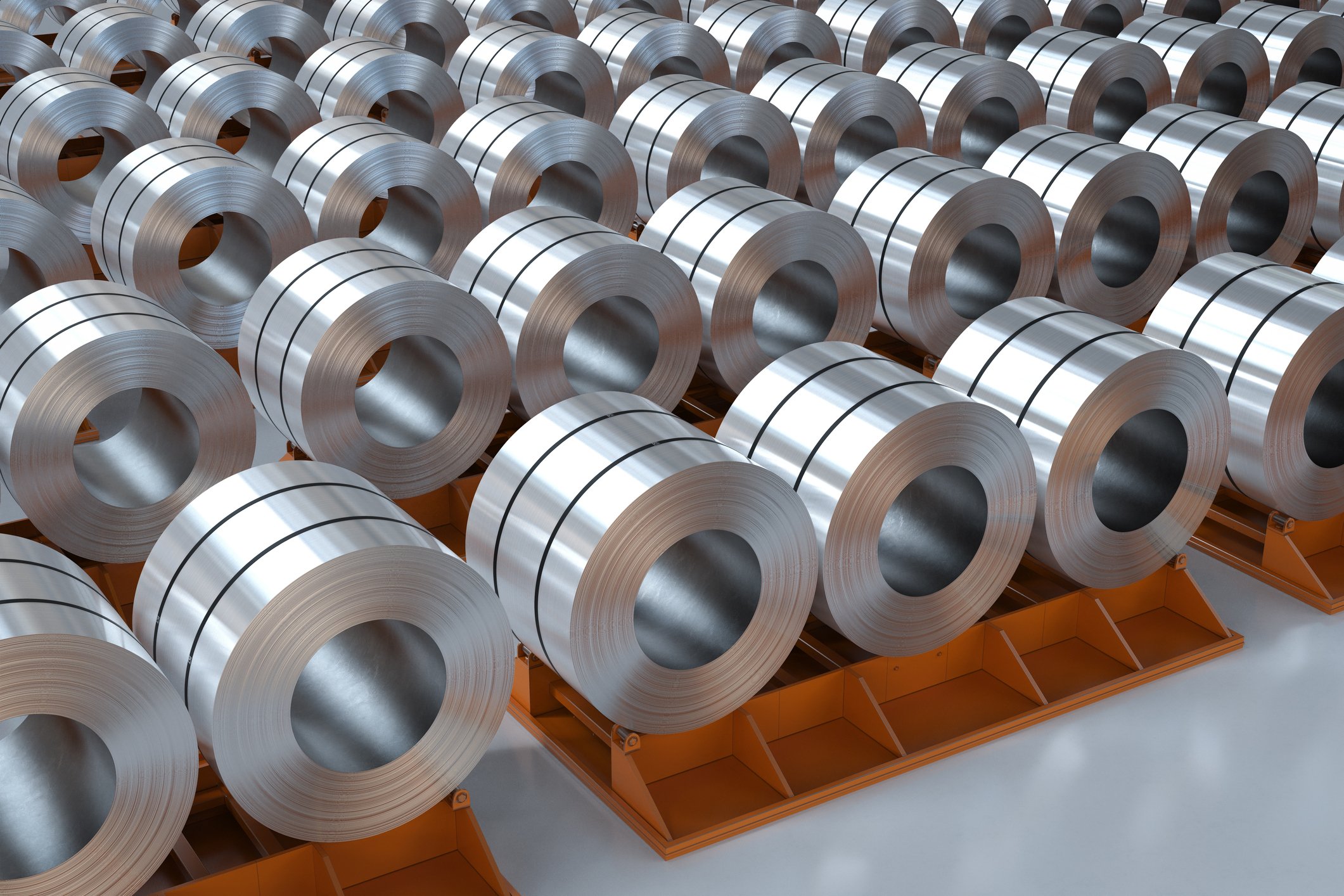
Slitting steel coils is a critical process in the metal fabrication industry, involving the cutting of wide rolls of steel into narrower strips based on specific customer requirements. This operation utilizes precision machinery, such as slitting lines equipped with rotary blades, to ensure accuracy and consistency in the dimensions of the finished product.
The process starts with the steel coil being unwound, passed through the slitting blades, and then recoiled into smaller (narrower) rolls. Quality control measures are essential throughout to maintain the integrity of the steel and to identify any defects early. Proper handling and storage of the slitted (slit) coils are also necessary to prevent damage and corrosion, ensuring optimal performance in subsequent applications.
PICKLE AND OIL
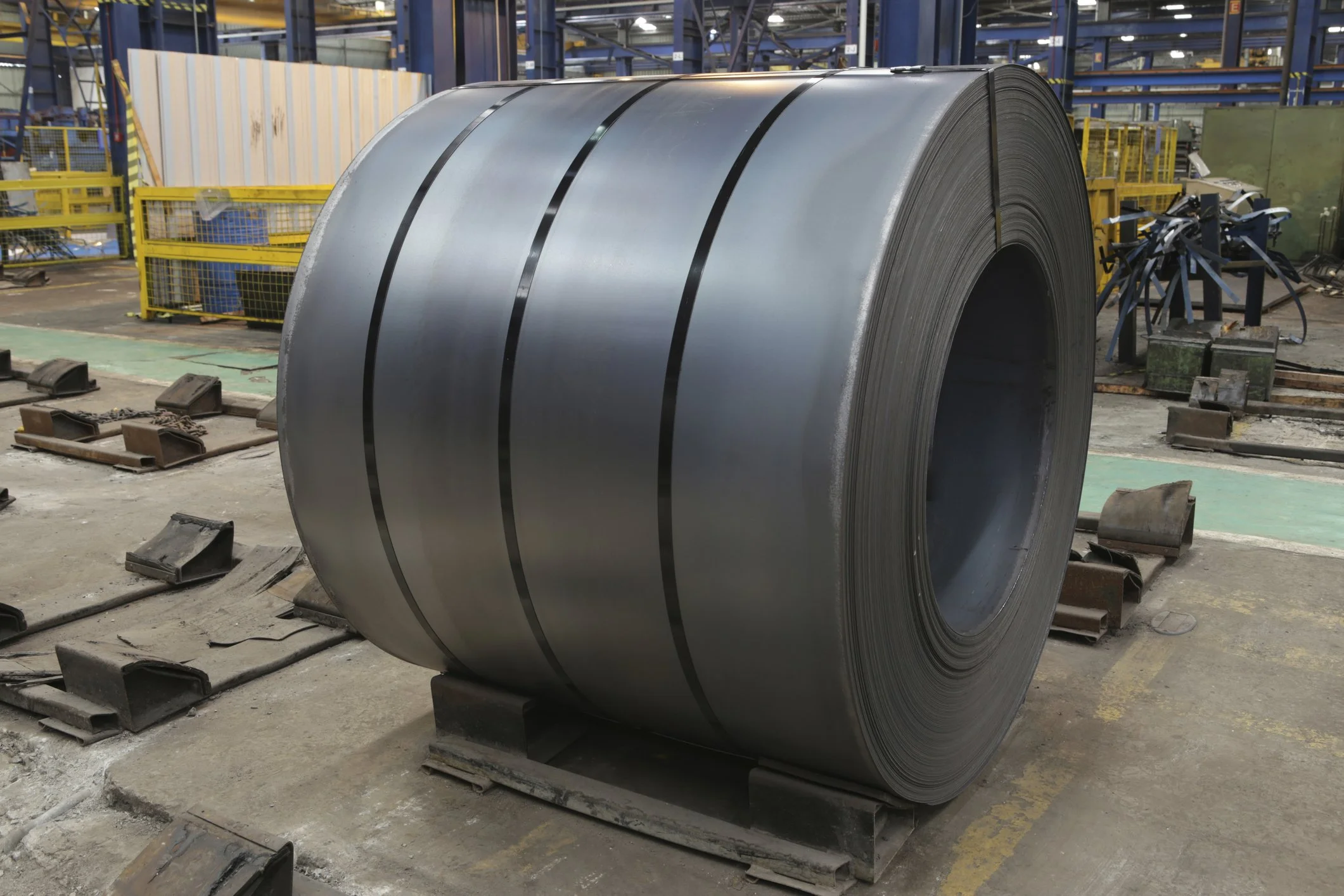
Pickling and oiling steel is a crucial process in steel maintenance that serves to enhance both the aesthetic and protective qualities of the steel. The pickling process involves immersing the steel in a solution of acid to remove rust, scale, and other impurities, which helps to improve surface quality and prepare the steel for further processing or fabrication.
Following pickling, the coils are treated with a thin layer of oil to provide a protective barrier against moisture and corrosion, effectively extending the lifespan of the steel. This combination of pickling and oiling not only ensures a clean, smooth surface for subsequent manufacturing but also aids in preserving the material during storage and transportation.